

No. The GreenVoyage2050 Accelerator will not provide direct cash contributions to any stakeholder and will not finance the implementation of the projects at this stage. Instead, it will support pilot project owners through the provision of tailor-made technical assistance valued at up to US$250,000 per selected pilot project feasibility study. It is expected that if the feasibility study yields positive results, the pilot project owner will progress towards implementation, and the Accelerator will provide assistance in connecting to funding partners where appropriate.
Pilot projects should promote the deployment of zero-or near-zero GHG emission solutions onboard ships and in ports. Proposed pilot projects should have the potential to be implemented if the feasibility study yields positive results. Some example that may be considered include:
The Accelerator does not support projects that do not have the potential to reduce GHG emissions from ships. For example, projects solely focused on reducing port emissions (e.g., electrification of port cranes) will not be eligible.
The pilot project should include innovative aspects for the country, and be able to demonstrate clear advancements in technology, processes, or integrated systems that contribute to the reduction of GHG emissions from ships. Pilot projects that are developed for the sake of achieving regulatory compliance with IMO instruments will not be considered.
To be considered for support through the Accelerator, the project proposed must:
Advisory Services:
Technical Assessment:
Economic Assessment:
Risk Assessment:
Stakeholder Engagement:
Communication and Administrative Support:
Annual open calls are issued for applicants to receive support from the GreenVoyage2050 Accelerator. Applications are invited from interested government entities (e.g., Ministries, Departments, Agencies, etc.), as well as State-Owned Enterprises (SOEs). Government entities may be at the national or subnational level (e.g., State Governments, local port authorities, etc.) from developing countries that are eligible to receive Official Development Assistance (ODA).
At present Private sector companies are not eligible to apply unless the proposal for a pilot project feasibility study is intended to be developed jointly with a government entity. In that case, the application must be submitted by the government entity.
GreenVoyage2050 issues annual open calls through IMO Circular Letter and these are shared on our website. Our 2024 Open call was issued via IMO Circular Letter (No. 4914). All submissions must be made following the application procedure outlined in the open call to receive support through the GreenVoyage2050 Accelerator.
Full information, including details on eligibility for submissions, can be found within our Accelerator Application Guide.
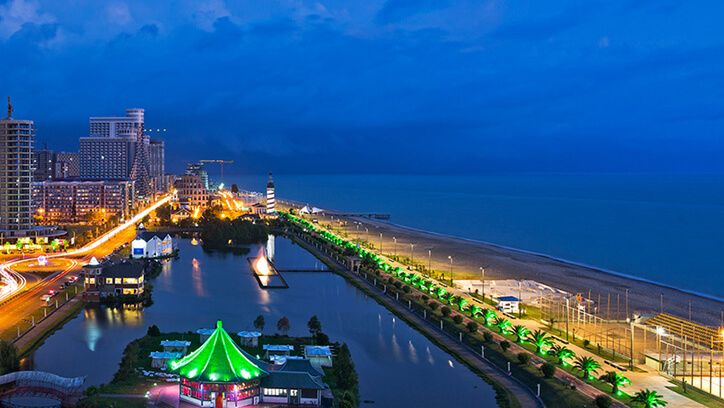

Exploring the potential for the establishment of a new domestic passenger ferry route connecting several cities along the Black Sea coast to reduce road congestion and emissions, particularly during high tourist season.
Maritime Transport Agency of Georgia, Ministry of Economy and Sustainable Development of Georgia
Mayor of Batumi Municipality
Financing and co-developing a pilot project feasibility study to assess green technology options and business models for a new, green ferry route.
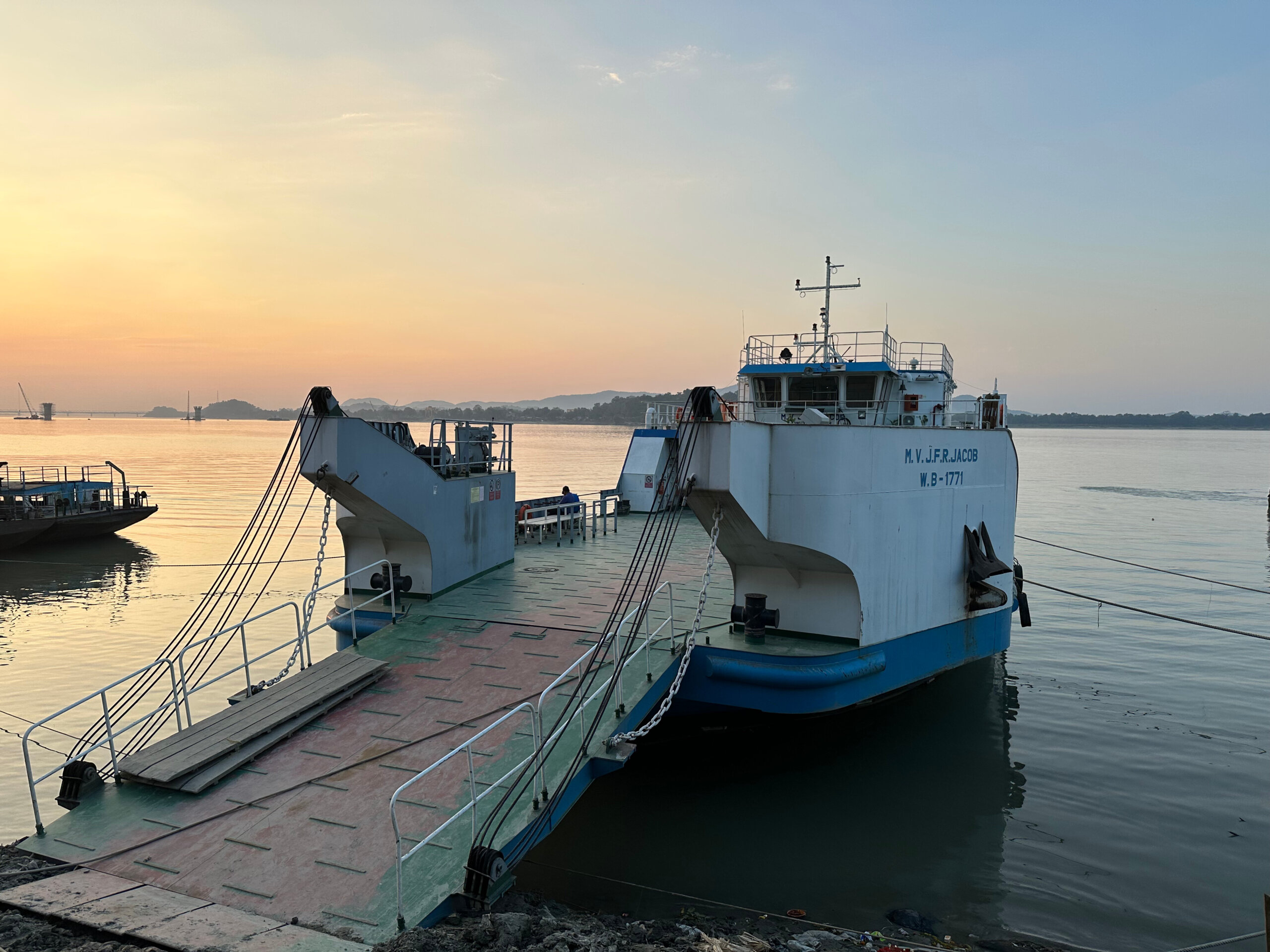

Exploring low and zero carbon alternatives for the ferry sector in the State of Assam to make waterways safer and greener.
This will include the construction of new terminals, new domestic passenger routes and the procurement of new passenger ferries.
India Directorate General of Shipping
Directorate of Inland Waterway Transport, Assam
Assam Inland Waterway Transport Development Society
World Bank
Financing and co-developing a pilot project feasibility study to assess green technology options and business models for a domestic passenger route.
Support towards the development of technical specifications for the procurement of two hybrid-electric ferries for the Guwahati-North Guwahati ferry route.