

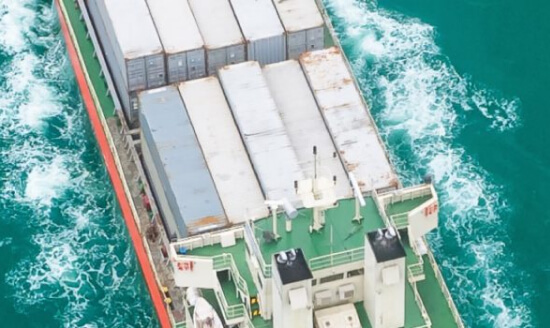
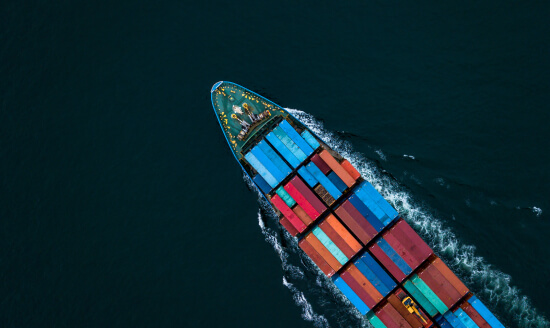
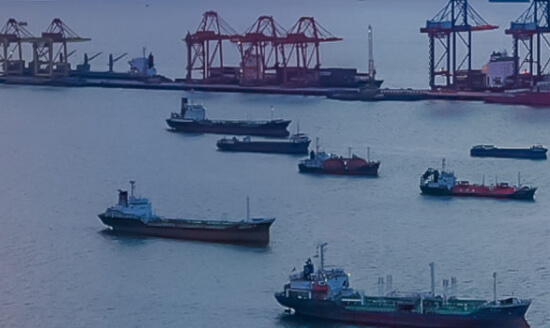
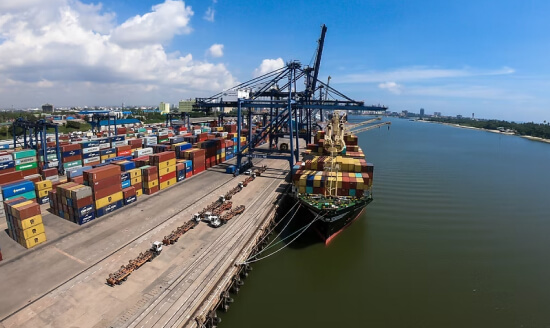
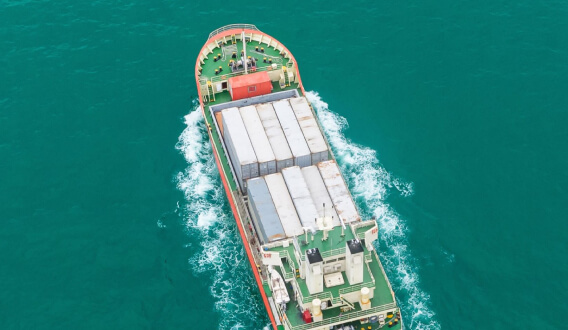

The weather (wind and waves) will together with ocean currents influence the power needed to propel a ship at a given speed over ground. Therefore, it is important to take these factors into consideration when planning a voyage and to try to minimise their negative influence.
Applicability and assumptions
The longer the voyages are the more route choice flexibility the ship has in order to avoid unwanted weather conditions. Also longer voyages most often include time spent in unsheltered waters where the influence from weather is making weather routing important. Therefore, the biggest potential could be realised in intercontinental trades and for larger ships. The benefit from the measure will come in terms of reduced fuel consumption due to reduced resistance from wave and wind. There might also be a benefit from less fatigue and weather damages on ship equipment.
All ships at all ages can potentially install the system, and therefore it is assumed that the entire fleet can install the measure. However, for existing ships, some ship segments (e.g. large container and roro) have to a certain degree already implemented weather routing and, therefore, have a lower potential for fuel consumption reduction. This is also assumed to be the case for new ships coming into service in this period.
The choice of the most fuel-efficient route must be balanced against the safest route and the quickest route. Any potential requirements from the charterer should also be taken into account.
In order to improve the weather routing a new system will have to be installed on board the ship. This software is often license-based. The technical lifespan of the measure is therefore estimated to be between 1 month and 1 year, depending on the supplier and license agreement.
Cost of implementation
The system is estimated to cost $20,000 – $30,000 (USD) per ship to install and in addition an annual subscription of $3,000 (USD) per ship is needed to keep the software up to date and get the latest weather information.
Reduction potential
The total saving potential has been assessed to between 0.5 – 5% dependent on ship size and type and the typical trade for the different ship segments.
References
- IMO / Ships’ routeing
- IMO resolution A.893(21) / Guidelines for voyage planning
- IMO Train the Trainer (TTT) / Course on Energy Efficient Ship Operation, Module 3 – From Management to Operation
- Vettor, et al., 2016. Development of a ship weather routing system.
- Simonsen, et al., 2015. State-of-the-Art Within Ship Weather Routing
*This Information Portal is still under development and further images will be added. For suggestions and additional technologies to be included in the Information Portal, please use the GreenVoyage2050 Contact Form.
This Energy Efficiency Technologies Information Portal was developed in cooperation with DNV.
This webpage serves as an Information Portal for Energy Efficiency Technologies for Ships. IMO does not make any warranties or representations as to the accuracy or completeness of the information provided. View our disclaimer