Carbon intensity of the ship to decline through further improvement of the energy efficiency for new ships to review with the aim of strengthening the energy efficiency design requirements for ships;

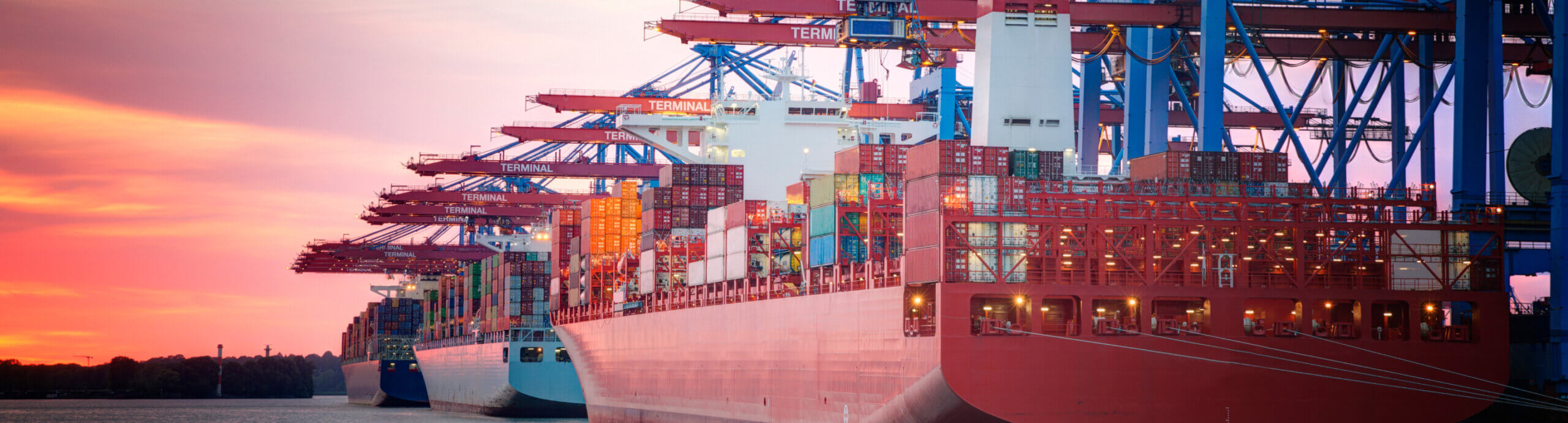
The overall goal of IMO GreenVoyage2050 is to support implementation of the IMO GHG Strategy (Resolution MEPC.377(80)), and in particular, provide support to developing countries in their efforts to reduce GHG emissions from ships. The IMO GHG Strategy sets out a clear vision and levels of ambition, one of which is to reach net-zero GHG emissions from ships by or around, i.e. close to, 2050 compared to 2008. For more details on the IMO GHG Strategy and regulatory background, please consult our page on The Issue.
It is envisaged that the project will strengthen MARPOL Annex VI compliance, facilitate sharing of operational best practices, catalyze the uptake of energy efficient technologies and explore opportunities for low- and zero-carbon fuels.
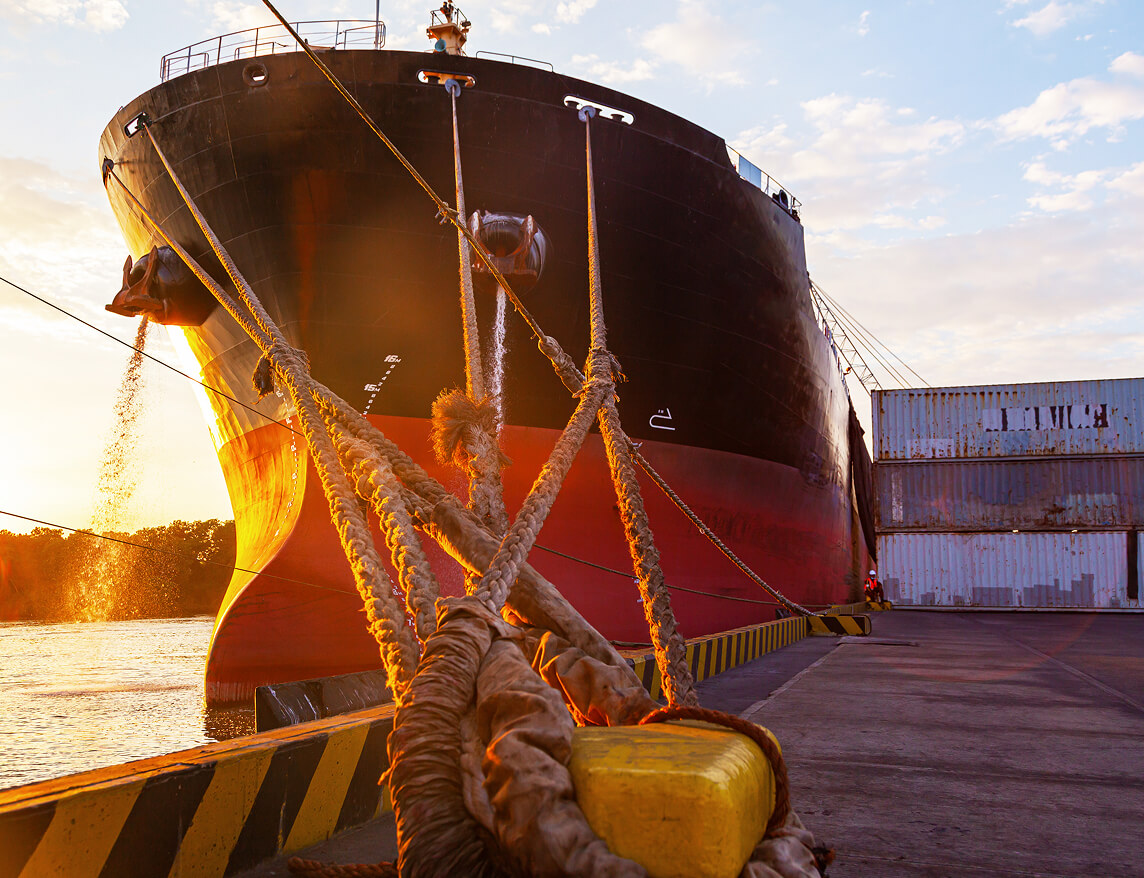

GreenVoyage2050 is addressing the specific needs for an “enabling environment” for maritime GHG mitigation efforts first; and then translating them into national maritime policies, strategies, roadmaps and national action plans in-line with the national priorities and obligations regarding MARPOL Annex VI, the Initial IMO GHG Strategy and Paris Agreement. This involves the development of the global tools, training packages and guidance documents.
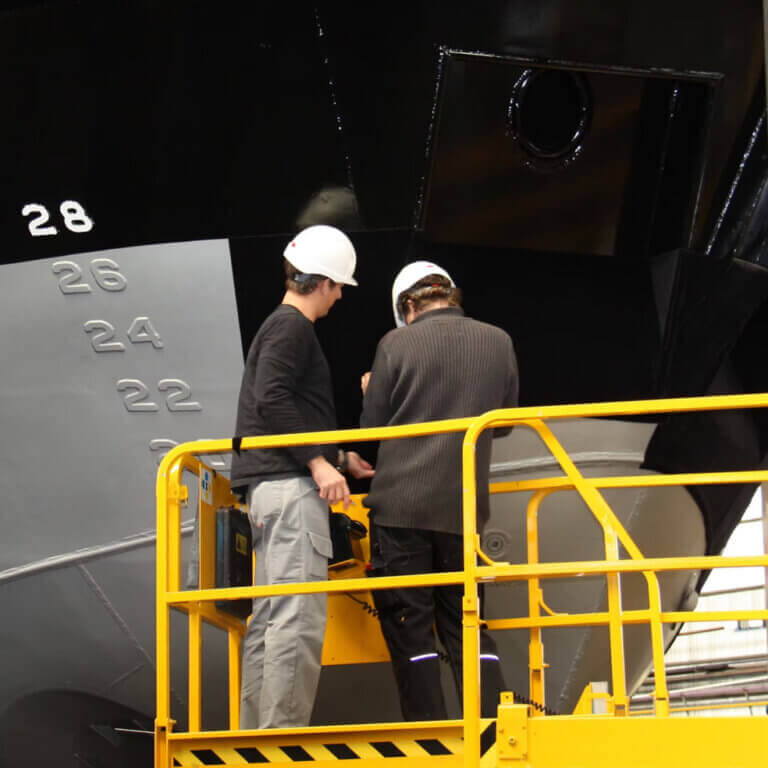

GreenVoyage2050 is carrying out capacity building at two levels. At the national level, the project supports countries to build human and technical capacity to meet energy efficiency requirements under MARPOL Annex VI and the Initial IMO GHG Strategy. At the global level, capacity building relates to technical cooperation on alternative fuels, port emissions, National Action Plans, and identifying pilot projects for implementation.
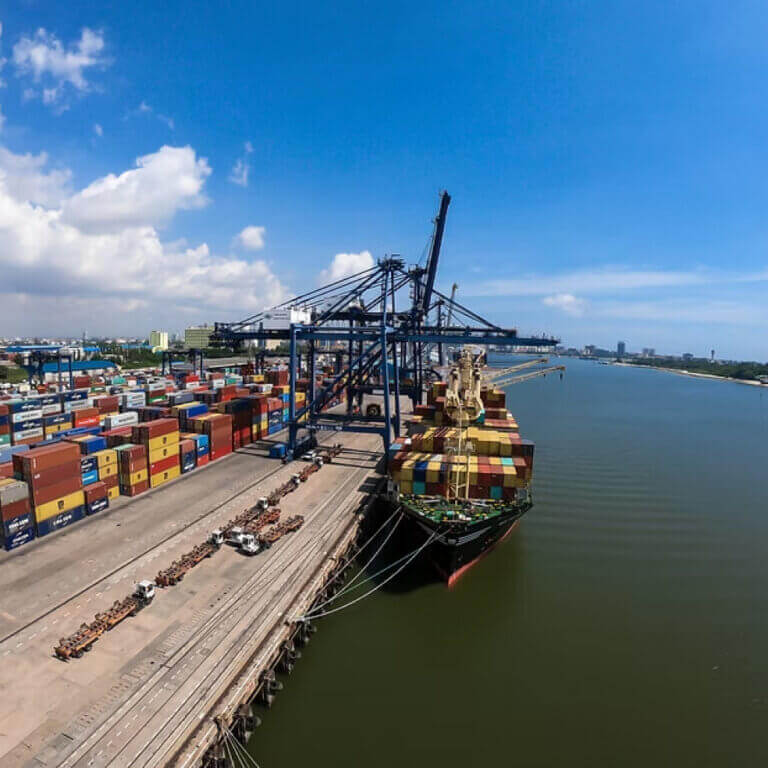

This component focuses on linking up with relevant initiatives, organizations, and industry partners. It supports the effective implementation of project aims through partnerships such as the Global Industry Alliance to Support Low Carbon Shipping, as well as other strategic partners who provide expertise, technical support and additional resources.
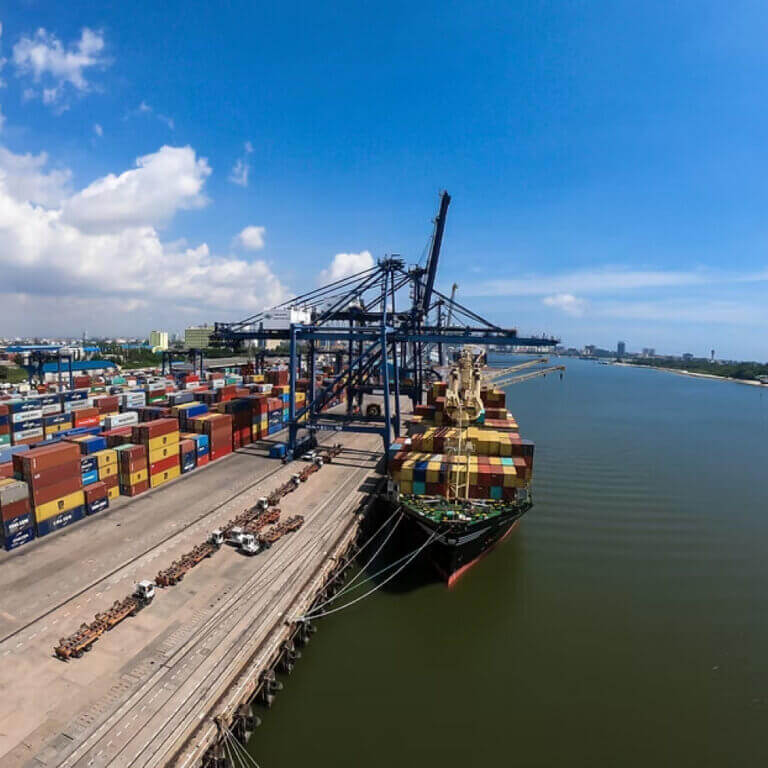

This component supports countries in identifying pilot project opportunities to reduce emissions from shipping, including new technologies, innovative operational practices and alternative fuels. It also assists with developing, refining, and implementing these pilot projects.
The project builds upon the experience of other IMO-executed projects such as the GEF-UNDP-IMO Global Energy Efficiency Partnerships Project (GloMEEP Project) which supported participating countries to accede to and effectively implement MARPOL Annex VI as well as the IMO-EU GMN Project which has established a global network of maritime technology cooperation centres, delivering capacity-building activities on energy efficiency.
Regulatory developments: IMO GHG Strategy
Back in April 2018, IMO adopted the Initial IMO Strategy on reduction of GHG emissions from ships (Resolution MEPC.304(72)). This strategy was revised in 2023, through the adoption of Resolution MEPC.377(80) confirming IMO’s commitment to reducing GHG emissions from international shipping and, as a matter of urgency, to phasing them out as soon as possible.
Carbon intensity of the ship to decline through further improvement of the energy efficiency for new ships to review with the aim of strengthening the energy efficiency design requirements for ships;
Carbon intensity of international shipping to decline to reduce CO2 emissions per transport work, as an average across international shipping, by at least 40% by 2030, compared to 2008;
Uptake of zero or near-zero GHG emission technologies, fuels and/or energy sources to increase uptake of zero or near-zero GHG emission technologies fuels and/or energy sources to represent at least 5%, striving for 10%, of the energy used by international shipping by 2030; and
GHG emissions from international shipping to reach net zero to peak GHG emissions from international shipping as soon as possible and to reach net-zero GHG emissions by or around, i.e. close to, 2050, taking into account different national circumstances, whilst pursuing efforts towards phasing them out as called for in the Vision consistent with the long-term temperature goals set out in Article 2 of the Paris Agreement.
Depending on different socio-economic and energy scenarios, emissions are projected to increase from about 90% of 2008 emissions in 2018 to 90-130% of 2008 emissions by 2050.
GreenVoyage2050 was established with the overall goal to support implementation of the IMO GHG Strategy. Recognizing that developing countries, in particular LDCs and SIDS, have special needs with regard to capacity-building and technical cooperation, the project aims to work together with selected developing countries. Aligned with this, the project aims to strengthen MARPOL Annex VI compliance, the regulatory instrument which contains global mandatory technical and operational energy efficiency measures for ships, namely, the Energy Efficiency Design Index (EEDI) and the Ship Energy Efficiency Management Plan (SEEMP), and through which the IMO GHG Strategy is operationalised.
Please consult the IMO Website for more information about the regulatory developments.

Funding has been provided by the Government of Denmark since 2024 from the Ministry of Foreign Affairs and the Danish Maritime Authority.

Funding has been provided by the Government of Finland since 2023 from the Ministry for Foreign Affairs, Ministry of Transport and Communications, and Traficom.

Funding has been provided by the Government of France since 2023 from the Directorate General of Maritime Affairs, Fisheries and Aquaculture.

Funding has been provided by the Government of Germany since 2023 from the Federal Ministry for Digital and Transport.
Funding has been provided by the Government of the Netherlands since 2023 from the Ministry of Infrastructure and Water Management.

Funding has been provided by the Government of Norway since 2019, including funding from the Ministry of Climate and Environment and Norad.
GreenVoyage2050 in its second phase (2024-2030), is currently funded by the Governments of several donor countries. You can find more details on our donor page. IMO welcomes additional donors to collaborate on this important initiative.
GreenVoyage2050 is providing tailored support to the participating countries, designing and implementing activities specific to the country’s needs and national maritime context.
IAPH was formed in 1955 and over the last sixty years has grown into the global alliance representing over 180 members ports and 140 port related businesses in 90 countries. The principal aim of IAPH revolves around promotion of the interests of ports worldwide, building strong member relationships and sharing best practices among its members.

The International Power-to-X Hub is a centre of expertise and collaboration for innovative and sustainable green hydrogen and Power-to-X value chains. They identify Power-to-X solutions that are adapted to the specifics of each country and lead to sustainable economic transformation. The PtX Hub builds and fosters strong networks with industry, academia, administrations, and civil society with hubs in Africa, Asia, Europe, and Latin America.
MPA was established on 2 February 1996 with the mission to develop Singapore as a premier global hub port and international maritime centre, and to advance and safeguard Singapore's strategic maritime interests. MPA is the driving force behind Singapore's port and maritime development, taking on the roles of port authority, maritime and port regulator and planner, international maritime centre champion, national maritime representative and a champion of digitalisation and decarbonisation efforts at regional and international fora such as at the International Maritime Organization.